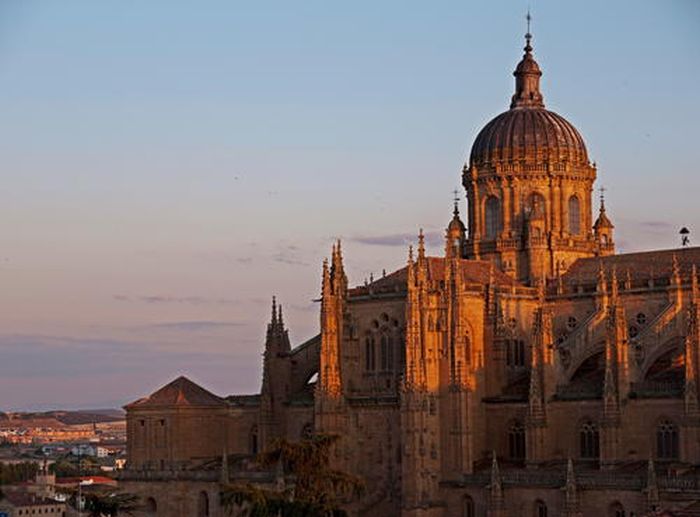
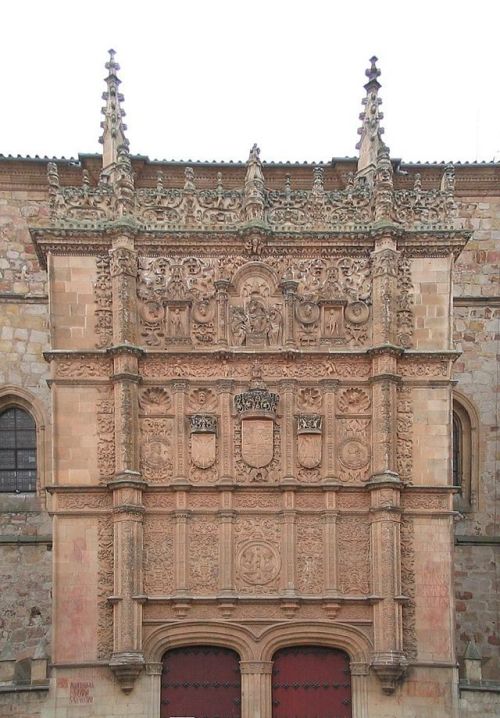
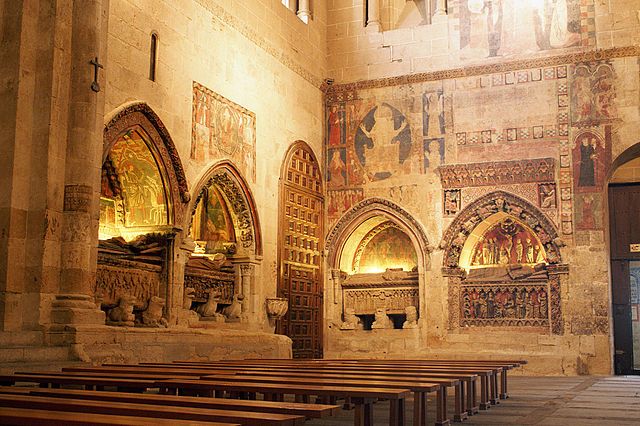
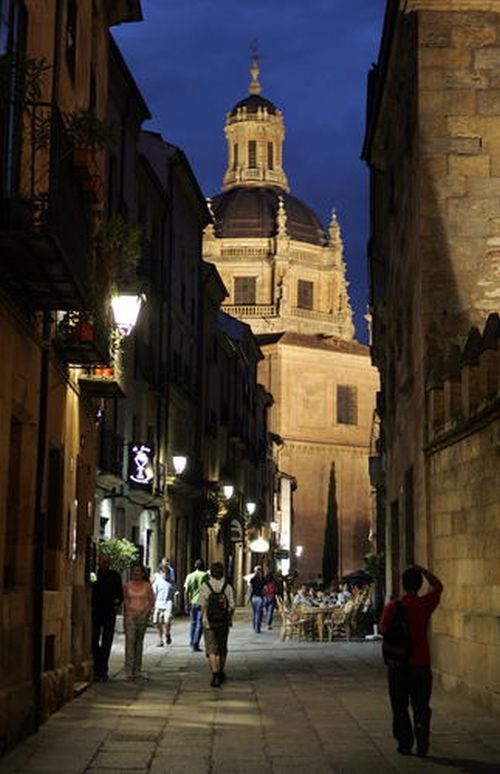
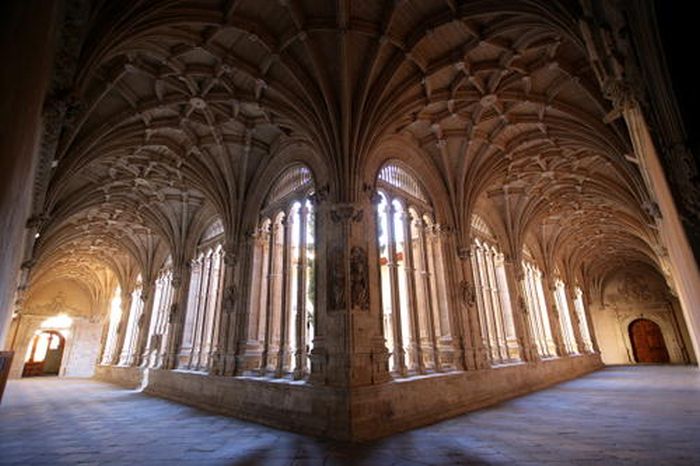
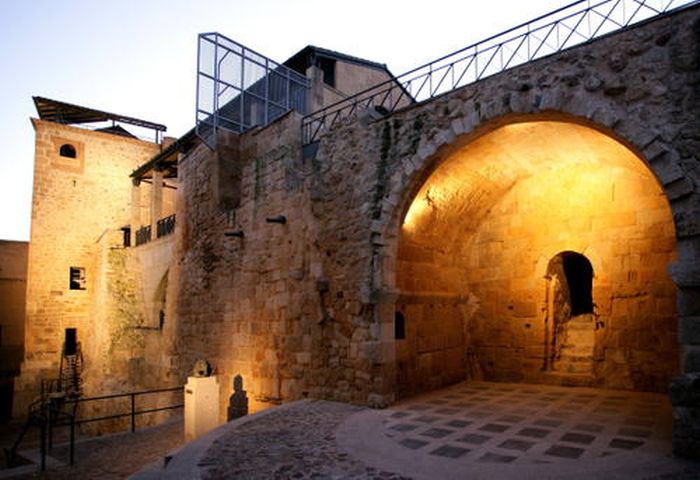
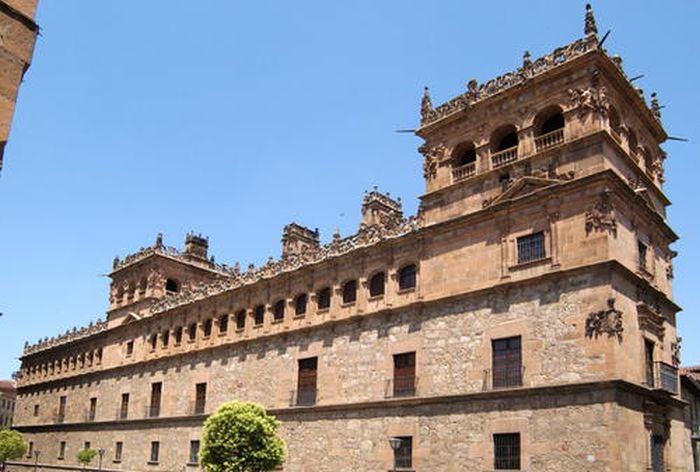
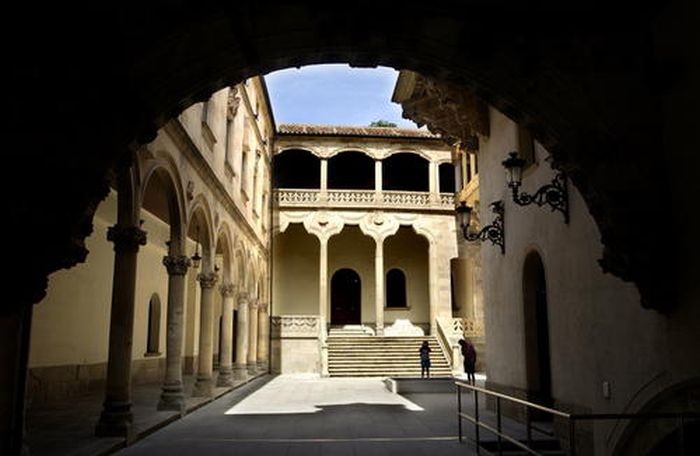
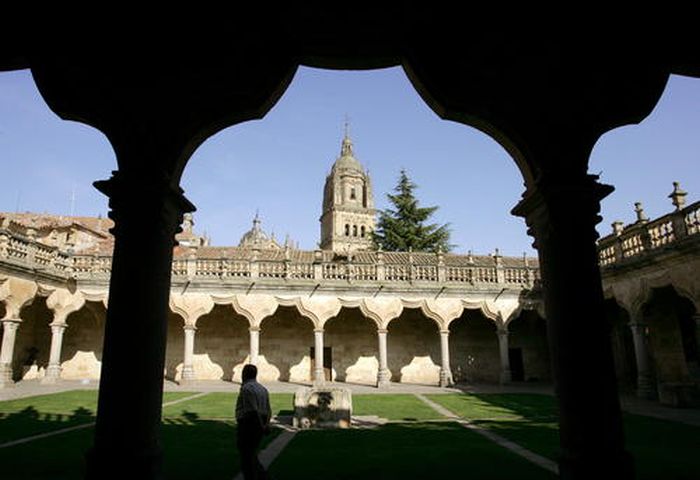
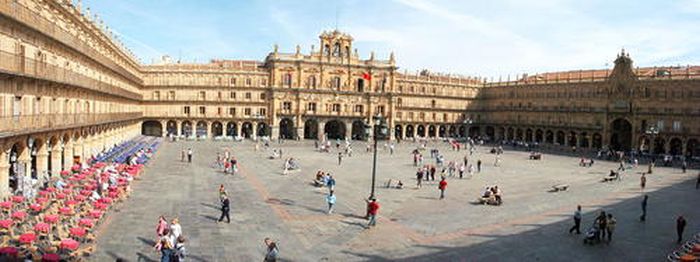
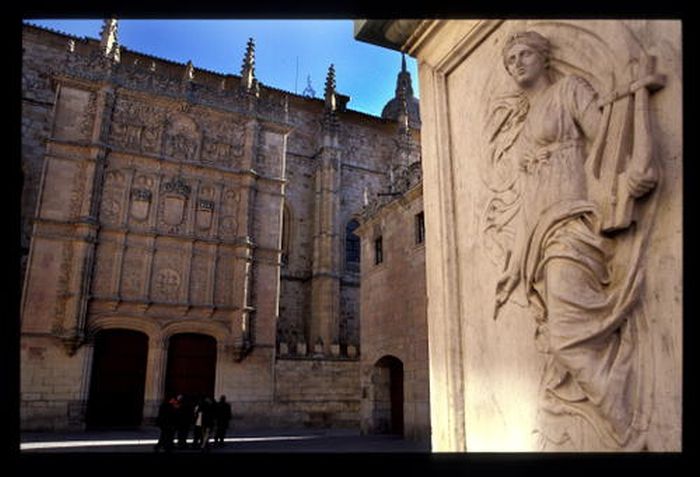
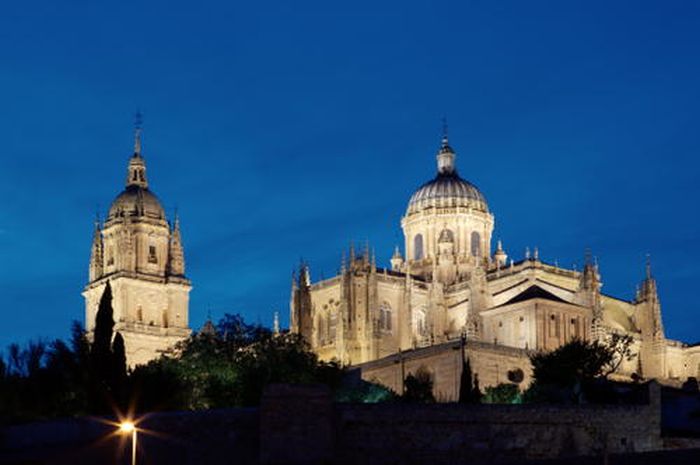
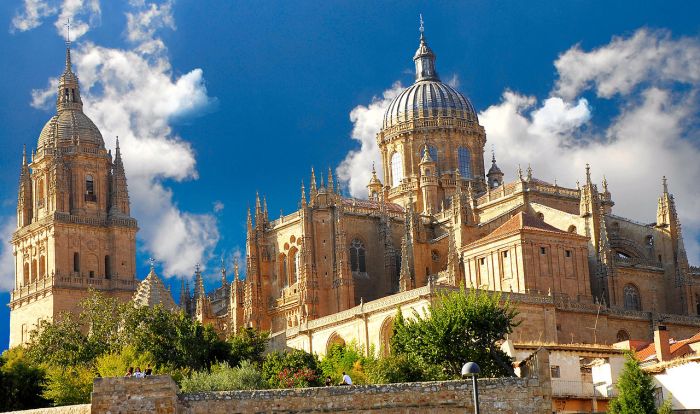
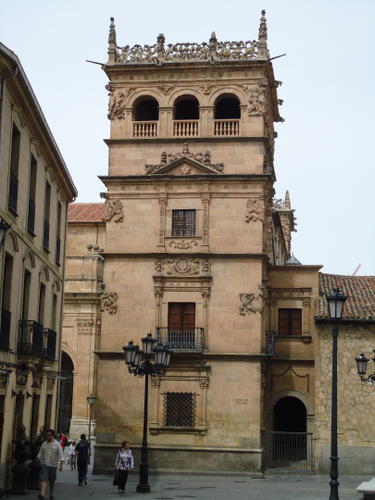
UNESCO World Heritage City

Three thousand years is a long time to amass all kinds of events, large and small, happy and dramatic, glorious or difficult.

The Celtic tribes of the Vettones and Vacceos, Hannibal and the Romans; the re-founding of the city by Alfonso VI, following the sacking of Toledo by the Moors, was carried out by Raimundo de Borgoña, the wars between the factions, the nobility for the power in the 14th and 15th centuries, the War of the Commons, the splendour of the XVI century when Salamanca was the epicentre of learning and worldly knowledge, the crisis of the Baroque period, the Peninsular War and the isolation of the 19th and a good part of the 20th centuries, have moulded both the physical and the spiritual aspects of the city’s structure, identity and culture.
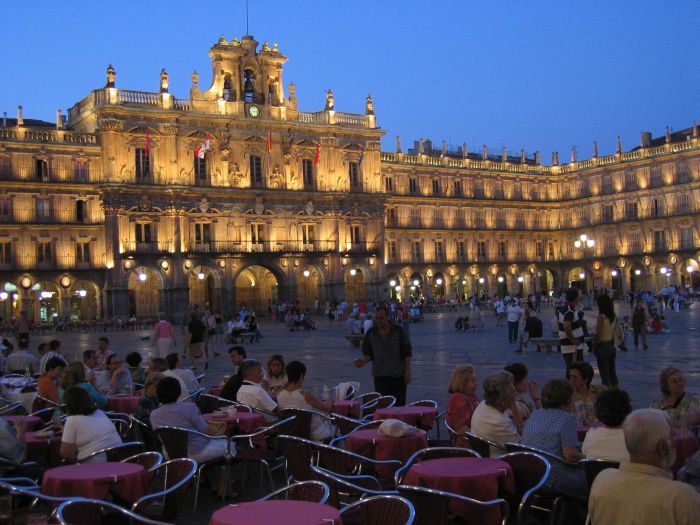
They were major milestones, to which we must add another two more contemporary ones: when UNESCO designated it a World Heritage City in 1988 and being European Culture Capital in 2002.